
 See Our Latest Article on HelloNation
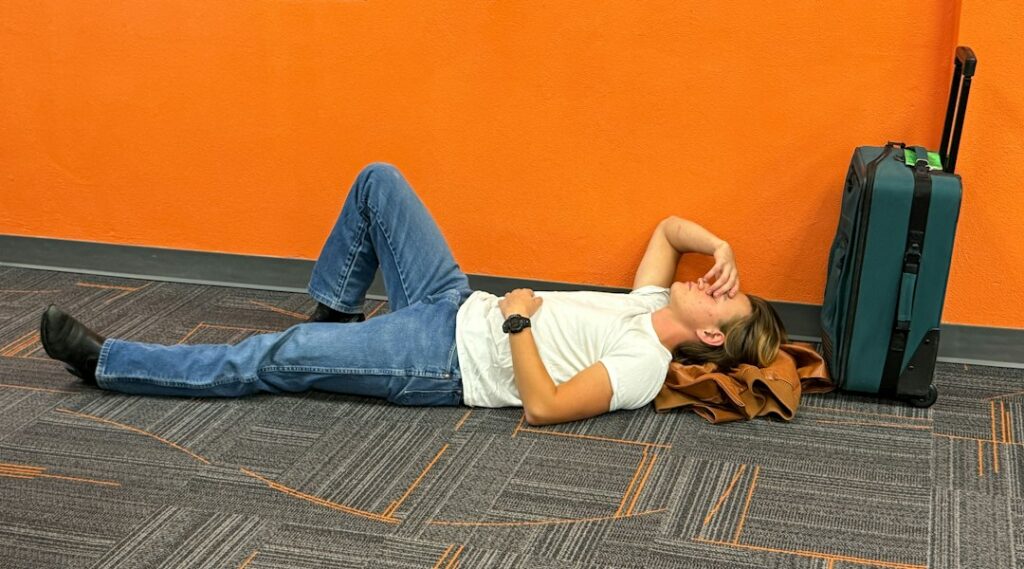
Why travel can trigger lower back pain
Travel often places the lower back in one position for too long. Sitting in a car, bus, train, or airplane can reduce normal movement in the hips and spine, while lifting bags, twisting into tight spaces, and sleeping in an unfamiliar bed may add strain.
For residents of Hempstead, NY, travel may involve a mix of driving, public transportation, walking between stops, or spending time in crowded terminals. Winter cold, summer heat, uneven walking surfaces, and long periods of sitting can all affect comfort. The goal is not to avoid movement, but to manage it more deliberately.
Lower back discomfort during travel is usually linked to a combination of factors:
- Prolonged sitting without changing position
- Poor support from a seat or sleeping surface
- Lifting luggage while twisting
- Carrying a heavy bag on one side
- Tight hip muscles and reduced leg movement
- Traveling while already fatigued or mildly sore
How should you sit during a long trip?
Change position regularly and keep both feet supported whenever possible. A neutral seated position generally places the hips and knees at comfortable angles, with the lower back gently supported rather than forced into an exaggerated arch.
Useful adjustments include:
- Sit with the hips level with, or slightly higher than, the knees.
- Keep both feet on the floor or on a stable footrest.
- Place a small rolled towel, scarf, or sweatshirt behind the lower back if the seat feels flat.
- Avoid leaning to one side for long periods.
- Keep frequently used items within easy reach so repeated twisting is unnecessary.
- Relax the shoulders and avoid holding the head far forward.
A seat that feels comfortable at first may become irritating after an hour. Small changes in posture are often more useful than trying to hold one “perfect” position for the entire trip.
How often should travelers move?
Try to move briefly every 30 to 60 minutes when conditions allow. Even one or two minutes of standing, walking, or gentle repositioning can reduce stiffness. During a car trip, stopping periodically is safer than attempting to stretch while driving.
Simple movement options include:
- Walking through a terminal or station during a long wait
- Standing and gently shifting weight from one foot to the other
- Rolling the shoulders and moving the ankles
- Straightening one leg at a time while seated
- Taking a few slow steps after removing a seat belt at a planned stop
Movement should remain easy and controlled. Stretching aggressively when the back is already irritated can make symptoms worse.
What is the safest way to lift luggage?
Lift bags with the load close to the body and turn with the feet instead of twisting through the waist. Before lifting, check the bag’s weight and clear the path so there is no need to reach around obstacles.
A safer lifting sequence is:
1. Stand close to the bag.
2. Bend at the hips and knees while keeping the spine relatively neutral.
3. Hold the bag with both hands.
4. Tighten the abdominal muscles gently.
5. Rise through the legs.
6. Turn by moving the feet rather than rotating the trunk.
Avoid lifting a suitcase from the floor directly into an overhead compartment if it feels too heavy or awkward. Ask for assistance when necessary, especially when reaching above shoulder height or handling a bag on stairs.
Wheeled luggage can reduce carrying, but pulling a heavy bag behind the body may still cause the trunk to rotate. Keep the handle close, use the opposite hand periodically when practical, and avoid dragging the bag over uneven surfaces.
How heavy should a travel bag be?
A bag should be light enough to lift, carry, and place down without holding the breath or leaning sharply to one side. There is no single weight that is safe for every person because strength, conditioning, age, and existing symptoms differ.
Pack heavier items near the bottom and close to the bag’s center. Distribute belongings between two manageable bags rather than placing everything in one overloaded case. A backpack should use both shoulder straps and sit close to the body instead of hanging low behind the hips.
Carrying a shoulder bag on one side for hours may cause uneven muscle fatigue. Change sides regularly or use a design that distributes weight more evenly.
Which exercises can help before and during travel?
A brief routine before leaving can prepare the hips, legs, and trunk for sitting and lifting. The movements should be comfortable and should not produce sharp, shooting, or escalating pain.
Examples include:
- Five to ten slow sit-to-stand repetitions
- Gentle walking for several minutes
- Controlled hip hinges, practicing the motion used for lifting
- Ankle pumps and circles
- Easy pelvic tilts while lying down or standing
- Gentle hamstring or hip-flexor stretches without forcing the range

Travelers do not need an intense workout immediately before a long trip. Excessive exercise, especially unfamiliar lifting or strenuous back exercises, may leave the muscles fatigued before the journey begins.
What can help with sleeping away from home?
An unfamiliar mattress may expose weaknesses that are less noticeable at home. Side sleepers can place a pillow between the knees to reduce twisting through the pelvis. Back sleepers may feel more comfortable with a pillow under the knees. Stomach sleeping can increase stress on the lower back for some people, particularly when the neck is turned to one side for long periods.
A pillow should support the head without forcing the neck sharply upward or downward. If a mattress feels unusually soft, placing a folded blanket under the hips is usually not a reliable solution; changing position and using supportive pillows may be more comfortable.
After arrival, a short walk can be preferable to immediately lying down for hours. Gentle movement helps the body adjust after a long seated journey.
Does cold weather affect travel-related back pain?
Cold conditions can make muscles feel tighter, particularly after time spent sitting outdoors, waiting for transportation, or walking on frozen or wet surfaces. Cold does not automatically cause an injury, but stiffness may make sudden lifting or twisting less comfortable.
During colder months, dress in layers, keep the lower back covered, and allow extra time for a gradual warm-up before carrying luggage. Slippery sidewalks and steps also increase the risk of falls, so shorter steps and secure footwear are practical safety measures.
In warmer weather, dehydration and fatigue may contribute to muscle cramping or poor lifting technique. Drink fluids regularly and avoid carrying heavy bags when overheated whenever possible.
When does travel-related back pain require medical attention?
Mild stiffness that improves with movement and rest is often manageable. Medical evaluation is more urgent when back pain follows a significant fall, collision, or other injury, or when it is accompanied by concerning symptoms.
Seek prompt medical care for:
- New loss of bladder or bowel control
- Numbness in the groin or inner thighs
- Progressive weakness in a leg
- Severe pain spreading below the knee with worsening numbness
- Fever, unexplained weight loss, or unusual illness
- Pain that is severe, constant, or not improving
People with osteoporosis, a history of spinal surgery, cancer, significant trauma, or persistent neurological symptoms should use extra caution and seek individualized guidance before a demanding trip.
How can travelers plan for a more comfortable journey?
The most effective preparation is practical: pack lightly, plan movement breaks, use a supportive sitting position, and avoid rushed lifting. Keep medications or comfort items that are already part of an established care plan accessible rather than buried in luggage.
A few minutes of walking before departure, periodic posture changes, and careful handling of bags can reduce unnecessary stress on the lower back. These habits are especially useful for local residents managing trips during busy holiday periods, winter weather, or long days that combine commuting with extended sitting.
IMAGE_ALT:
Traveler pauses beside luggage to stretch gently after a long seated journey.
