
 See Our Latest Article on HelloNation
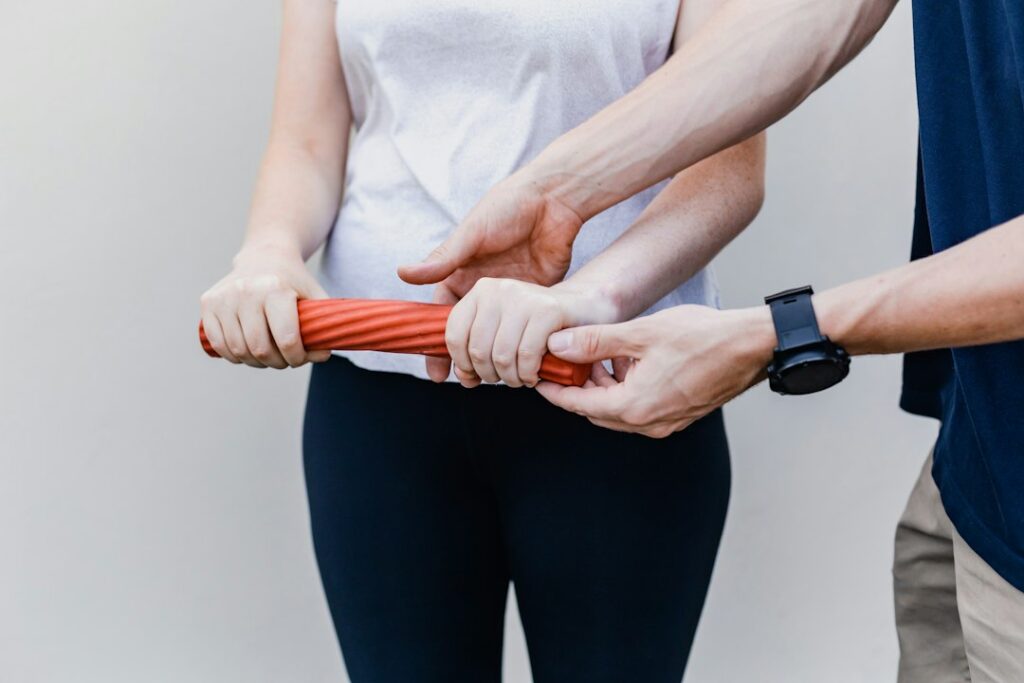
What role can chiropractic care play after a sports injury?
Chiropractic care may help some athletes manage musculoskeletal pain, restore comfortable movement, and return gradually to activity. It is generally most relevant for injuries involving the back, neck, joints, muscles, and movement patterns—not for every type of sports injury.
A proper evaluation should begin by identifying what happened, where the pain is located, whether swelling or weakness is present, and how the injury affects walking, lifting, running, or sport-specific movements. Treatment may include hands-on joint mobilization, spinal manipulation when appropriate, soft-tissue techniques, stretching, strengthening, and advice about modifying activity.
The goal is not simply to reduce pain. A safer recovery also involves restoring function and reducing the chance that an athlete compensates in a way that creates another problem.
Which sports injuries may respond to chiropractic treatment?
Chiropractic care may be considered as part of recovery for certain uncomplicated injuries, including:
- Low back pain after lifting, twisting, jumping, or repeated impact
- Neck stiffness or muscular strain after contact, falls, or sudden movement
- Hip, pelvis, or upper-back discomfort related to altered mechanics
- Mild joint stiffness after an ankle, knee, or shoulder injury
- Repetitive-use discomfort involving muscles, tendons, or surrounding joints
- Movement limitations that remain after the most painful phase of an injury has passed
Evidence is stronger for some types of spine-related pain than for specific athletic injuries. Research has found that spinal manipulation can provide modest short-term improvements in pain and function for some people with acute low back pain. Evidence for neck pain is more limited and varies by treatment approach and patient.
That does not mean a spinal adjustment is necessary for recovery. Many athletes improve with graded exercise, rest from aggravating activity, physical therapy, medical care, or a combination of approaches.
How might treatment support recovery?
Chiropractic care can support sports-injury recovery in several practical ways.
Improving restricted movement
Pain often causes a person to move differently. An athlete with a stiff ankle may place extra stress on the knee or hip. Someone with low back pain may rotate through the shoulders rather than the hips. Gentle manual treatment and movement exercises may help restore motion when stiffness is contributing to symptoms.
Reducing short-term discomfort
Hands-on treatment, exercise, and activity modification may reduce pain or muscle guarding. Relief is useful, but it should not be treated as proof that an injury has fully healed. Pain can improve before strength, coordination, or tissue tolerance return.
Identifying contributing factors
An injury may be connected to training volume, limited mobility, poor recovery, a sudden change in footwear or activity, or a weakness in the trunk or lower extremities. A careful assessment may reveal factors that should be addressed before an athlete resumes full practice.
Guiding a gradual return to activity
Returning to a sport usually works better as a progression than as a single decision. A person might move from walking to jogging, then to controlled drills, practice, and finally competition. Symptoms during or after each stage can help determine whether the workload is appropriate.
What should an athlete expect during an evaluation?
The evaluation should include more than locating the painful area. Useful questions include:
- What movement or contact caused the injury?
- Did the pain begin immediately or develop later?
- Was there a pop, instability, numbness, or loss of strength?
- Can the athlete bear weight normally?
- Are symptoms improving, staying the same, or worsening?
- Has a similar injury happened before?
Movement testing may include range of motion, balance, strength, coordination, and sport-related tasks. The assessment should also consider whether imaging, urgent medical evaluation, or referral to another type of clinician is needed.

A treatment plan should be explained in understandable terms. Athletes should know which activities are acceptable, which should be avoided temporarily, and what changes would require reassessment.
Can chiropractic care replace medical treatment for a sports injury?
No. Chiropractic care is not a substitute for emergency treatment, fracture evaluation, surgery, concussion assessment, or care for significant ligament or tendon injuries.
A person should seek prompt medical evaluation for symptoms such as:
- Inability to bear weight or use an injured limb
- Visible deformity or rapidly increasing swelling
- Severe pain after a collision or fall
- Numbness, progressive weakness, or loss of coordination
- Chest pain, shortness of breath, or unusual dizziness
- Fever, redness, or warmth around a painful joint
- Severe headache, confusion, vomiting, fainting, or unusual behavior after a head impact
Suspected concussion requires special caution. The athlete should be removed from play immediately and should not return the same day. Return to sports should follow medical guidance and a gradual progression. Neck manipulation or intensive exercise is not appropriate until a head or neck injury has been properly assessed.
What are common misconceptions?
One misconception is that an adjustment can “put everything back in place” after any sports injury. Most injuries are not caused by a single bone being out of position. Recovery depends on the involved tissues, the severity of the injury, and the athlete’s ability to rebuild strength and control.
Another misconception is that pain relief means an athlete is ready to compete. A player may feel better while still having reduced balance, strength, reaction time, or tolerance for repeated impact.
It is also inaccurate to assume that more treatment is always better. Care should be adjusted according to progress. If symptoms are not improving, if they repeatedly return, or if new symptoms develop, the diagnosis and treatment plan may need to be reconsidered.
How can local conditions affect sports-injury recovery?
Residents of Hempstead may stay active through school athletics, recreational leagues, running, cycling, fitness training, and outdoor activity. Seasonal changes can influence recovery habits. Cold weather may make warmups feel more important, while summer heat and humidity can increase fatigue and fluid loss during practices or outdoor exercise.
Urban and suburban routines can also create practical challenges. Long periods of sitting, commuting, limited indoor space, and uneven sidewalks or playing surfaces may affect how an athlete warms up, trains, and recovers. A realistic plan should account for school, work, family responsibilities, available exercise space, and access to safe walking or training areas.
When is chiropractic care most useful?
Chiropractic care is most useful when it is integrated into a broader recovery plan based on a clear assessment. For many athletes, that plan may include temporary activity modification, progressive strengthening, mobility work, sleep, nutrition, and coordination with a physician, physical therapist, athletic trainer, or coach.
The central question is not whether chiropractic treatment is suitable for every sports injury. It is whether the athlete has a musculoskeletal problem that has been appropriately evaluated and whether the proposed care supports measurable improvements in movement, function, and safe return to activity.
