
 See Our Latest Article on HelloNation
What Is a Herniated Disc?
A herniated disc refers to a spinal disc that has developed a tear or rupture, causing its softer inner material to press outwards. This condition most often affects the lower back but can occur anywhere along the spine.
Local residents tend to develop this issue due to aging, repetitive motions, lifting heavy objects, or injuries—such as slips during icy winters common in Hempstead, NY. The symptoms range from mild discomfort to significant pain, tingling, numbness, or muscle weakness, typically in the area supplied by the affected nerves.
Why Do Herniated Discs Cause Pain?
A herniated disc can compress nearby nerves, which leads to shooting pain or neurological symptoms. In everyday life, this might feel like:
- Sharp pain in one leg or arm
- Numbness or tingling in fingers or toes
- Weak muscles, sometimes making walking or lifting items harder
Nerve impingement is the primary reason these symptoms occur. Even a small rupture can create a big impact if it presses against a nerve root. Residents who spend much of the day sitting, for instance, may notice pain increases after long commutes or while working from home.
How Can Chiropractic Care Help Manage Herniated Discs?
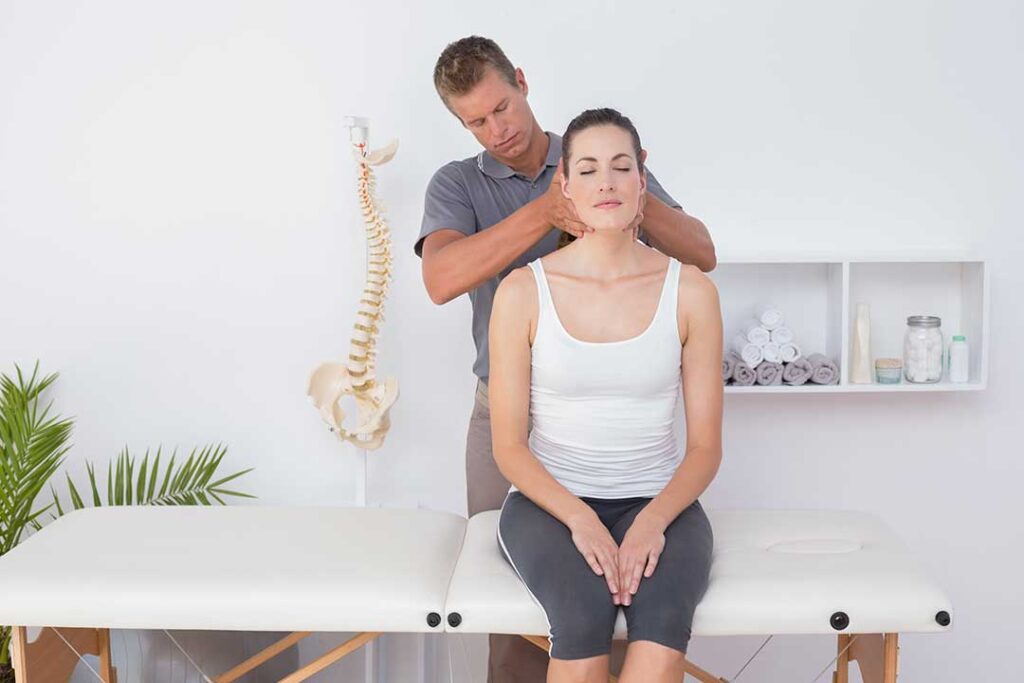
Chiropractic care aims to relieve discomfort and improve mobility without surgery or medication. Chiropractors use hands-on methods to adjust the spine, which may:
- Reduce pressure on the affected nerves
- Improve joint flexibility and function
- Encourage the body’s natural healing processes
In some cases, adjustments are complemented by therapeutic exercises or lifestyle suggestions to address factors unique to the community, such as seasonal shoveling or activities common to Hempstead households.
Is Chiropractic Care Safe for Herniated Disc Problems?
When provided by a licensed and experienced professional, spinal adjustments for herniated discs are considered safe for most people. Not everyone is eligible, however. Acute injuries, ongoing severe neurological symptoms (like loss of bladder control), or certain health conditions mean chiropractic care may not be the right initial step.
A common misconception is that chiropractors will always perform forceful adjustments. In reality, many use gentle methods or may recommend other conservative treatments based on an individual’s needs and medical history.
What Does a Typical Chiropractic Visit Involve?
Appointments often begin with a thorough evaluation, including a physical exam and review of symptoms and lifestyle. Imaging (like an MRI) may be suggested to confirm the disc issue.
For residents of the city:
- The treatment plan might be adjusted for the impact of walking on city sidewalks, snow removal, or long-distance commuting.
- Practical guidance is often provided to manage home or work tasks with less strain.
Therapies may include gentle spinal adjustments, stretches, or targeted at-home practices to foster recovery, taking into account local households’ routines.
Can Lifestyle Changes at Home Help With Herniated Discs?
Making small adjustments at home can complement in-office care and often reduces the severity of symptoms:
- Using supportive chairs and firm mattresses
- Lifting objects with bent knees and a straight back, especially during home improvement projects
- Wearing supportive shoes for walking, particularly with varying weather and sidewalk conditions
- Taking regular breaks from sitting during longer workdays or while commuting

Physical activity, done carefully, is usually encouraged—area parks and walking paths make low-impact movement convenient for many in Hempstead.
When Is Medical Attention Urgent?
Most disc issues improve gradually, but certain “red flag” symptoms require prompt medical attention:
- Sudden onset of severe weakness, especially in the legs
- Loss of bladder or bowel control
- Pain that is rapidly worsening or spreading
Immediate evaluation by a physician should be sought if these symptoms occur, as they may indicate more serious spinal cord involvement.
What Are Common Misconceptions About Herniated Discs and Chiropractic Care?
It’s often believed that herniated discs always require surgery or that activity should be avoided altogether. For most individuals, conservative measures are effective, and gentle activity helps with recovery.
Other common myths:
- Spinal adjustments are unsafe for herniated discs (evidence does not support this for most cases, when performed by a qualified practitioner)
- The pain will always be severe
- Disc problems only happen to older adults
In reality, disc herniation can affect younger, active adults or those with repetitive stress from daily activities common in the city.
How Do Local Conditions Affect Herniated Discs?
Hempstead’s seasonal weather, varied housing (from walk-ups to homes with stairs), and commuting patterns all contribute to back health challenges. Residents may experience more flare-ups during icy winters, when slips or heavy snow shoveling put extra pressure on the back. Awareness of these risk factors can help prevent injuries and support ongoing recovery.
